Nuclear Accident Survival Game: The Ones Who Run Lose
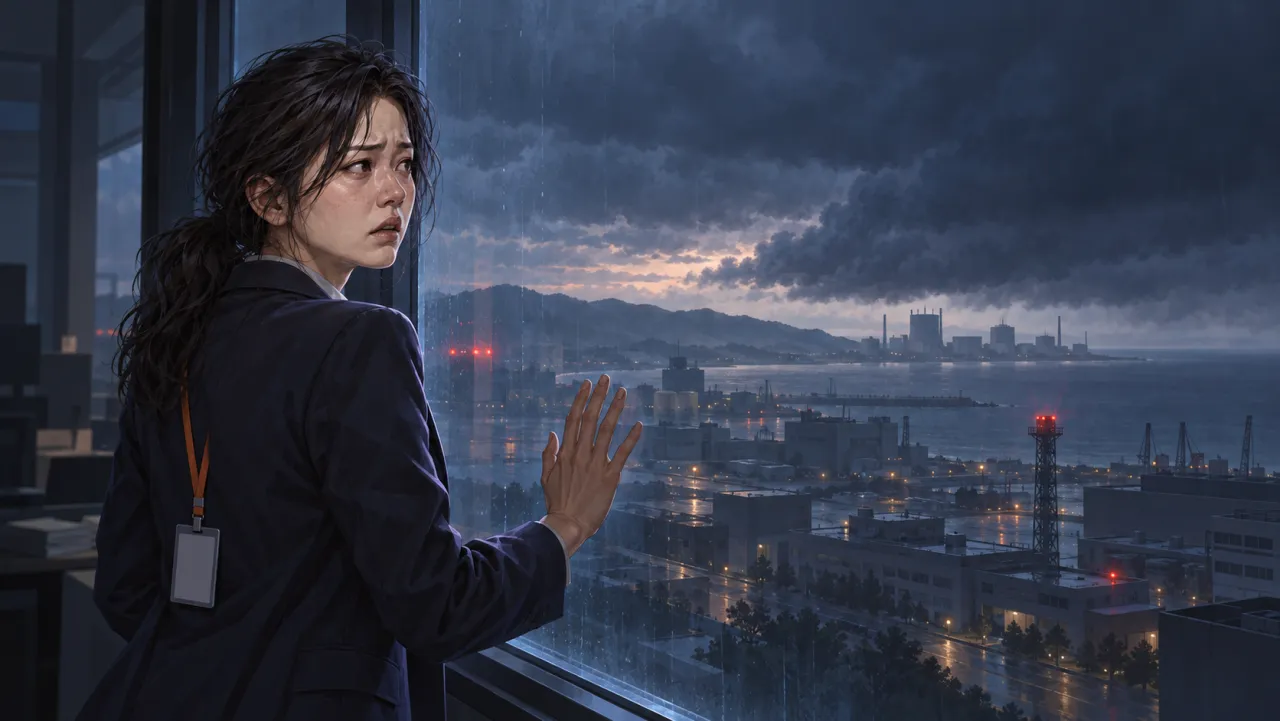
▶ PLAY FREE NOWNo download · Phone or PC · 3–5 minutes per run · 10 languagesUlsan Nuclear Accident: 3 Hours to the Radioactive Plume is a free, choice-based nuclear power plant accident game you play right in your browser. It is 2:03 p.m. on a Tuesday in November. You are on a business trip from Seoul, sitting in a 4th-floor meeting room at your company's Ulsan branch, when a magnitude 7.2 earthquake (fictional) hits offshore. A coastal nuclear plant (also fictional) about 22 km to the south loses cooling. White, blue and red alerts follow one after another, and once the order to shelter indoors goes out, you have roughly three hours before the radioactive plume reaches the city. This time the survivors are not the fastest runners but the people who stay put and do it right.
How the nuclear accident simulator works
Scenes marked ⏱ keep running while you think; scenes marked ⏸ pause so you can choose calmly. Every right answer comes from real guidance by Korea's Nuclear Safety and Security Commission, the national disaster safety portal and the City of Ulsan's radiological emergency manual. Every wrong answer is a mistake people really make in a crisis.
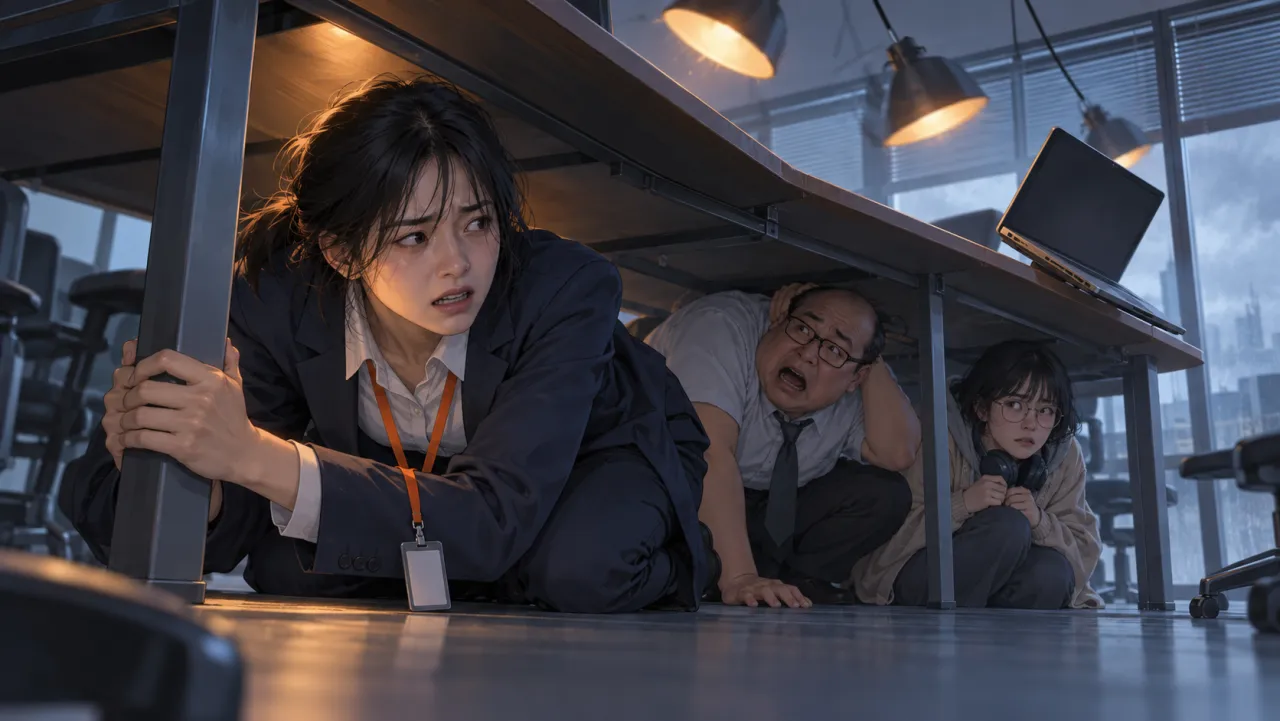
- Earthquake early warning (seconds): under the table, to the window to look at the sea, or out into the corridor?
- The main shock: ceiling panels fall and laptops slide. When the shaking stops, a tsunami warning follows.
- White alert: the problem is confined to the reactor building. Your team leader stands up: "Let's just get to Ulsan Station and take the KTX."
- Blue alert: time to get ready. Medicine, charger, jacket, water or radio? Rumors of a run on iodine at the pharmacy start to spread.
- Red alert, shelter indoors (about 3 hours to the plume): close the windows and fire doors, shut off the ventilation, fetch a coworker from her car in the parking lot, and decide whether to stop the boss who says "just drive 30 km down the highway."
- The plume and the night: aftershocks, a blackout, chest pain, group-chat rumors, a mother with a baby knocking on the door. When the order to take iodine tablets arrives, how will you take them? Events change every run.
- Evacuation order and the road out: switch off and lock up, bus or car, and the temptations of the hard shoulder and a cracked bridge in the traffic jam.
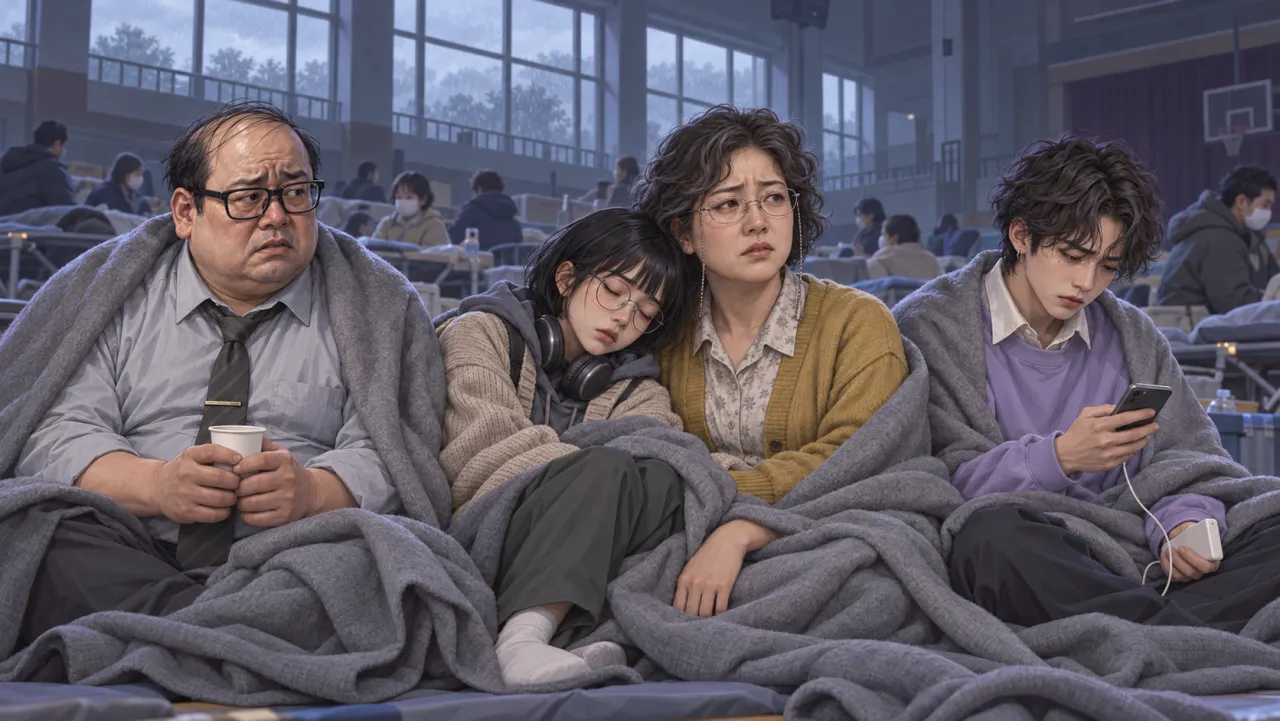
- Gym relief shelter: registration, contamination screening, decontamination. Then your results.
At the end you see your total dose (game numbers), whether your thyroid was protected, your health, what happened to your coworkers, and which rules you followed or broke, each with an explanation and its source. Dying is not the only way to fail: a "Survived, but…" ending, with too high a dose or an unprotected thyroid, counts as a failure too.
Coworkers, trust and hidden missions
In the meeting room are Team Leader Park, who led the trip and left his heart medication at the hotel, and Jiwoo, the new hire with her headphones on. Down in the lobby, Manager Do is on the phone with her daughter in Seoul; in the break room, intern Seojun is scrolling social media. Stay with them and talk them down, and their trust goes up. Higher trust makes persuasion work and brings help back to you, like an emergency medicine pouch or verified info from the official disaster app.
Each run secretly draws 3 hidden missions out of 12, revealed on the results screen. Examples: "Seal the building within 3 hours", "Bring Jiwoo along", "Keep the boss inside", "Pills as instructed (exactly one tablet, when told)", "Switch off and lock up when you leave (power, gas, door, white towel)", "Stay in your lane on the road out", "Zero rumors", "Pass contamination screening clean" and "Stay under 10 mSv (game number)".
Story mode, random mode and perks
Story mode is the November business-trip scenario above. In random mode the early-warning time (sometimes there is no warning, just shaking), the wind direction and speed, and the rain change every run. In some runs the wind blows out to sea and the plume misses the city entirely. Each run also gives you one random perk that unlocks its own choices. The perk unique to this episode, 🌊 Ulsan branch local hire, knows the assembly points and relief shelters from evacuation drills, but with family in Ulsan feels the strongest pull to "go home."
- 🩺 Company clinic nurseTakes less injury in the quake and treats coworkers' wounds quickly · handles heart emergencies, pill allergies and antiseptic-drinking properly
- 🔧 Facilities technicianShuts down the central air and ventilation in one go and seals up fast · runs the backup generator in a blackout, closes the gas main if gas is smelled
- 🦺 Safety Team Assistant ManagerGets into the earthquake position at once and takes care of Jiwoo too · persuading the boss and coworkers works well
- 📦 General affairs asst. managerKnows where the radio and flashlight are and carries one extra item · registers the whole team at once at the relief center with the trip roster
- ☕ In-house café baristaStarts with extra water and snacks · calms frightened people and the young mother with warm water
- 🔦 Security guardAlways carries a flashlight · organizes decontamination at the entrance and the lines at the relief center
- 💻 IT developerPhone battery lasts to the end · doesn't miss emergency alerts or family texts all night
- 📢 PR team stafferWhen rumors spread, writes and shows a "No official announcement" notice · isn't swayed by group-chat rumors
- 🛋️ Jobless Guy Here for an InterviewCame with an ID and a résumé · just met the branch staff and has nothing to lose
- 🚴 The lunch delivery riderUnlocks options to escape alone by motorbike · but a helmet won't stop a radioactive plume
- 🧹 The building custodianCleaning cart has plastic bags, gloves, masks and wet wipes · can help people strip outer clothes and wipe down right away
Result types
Your choices earn you one survivor type on the results screen. Play the same run as a friend and compare: "What did you get?"
Survivors
 The disaster-drill instructor typeYou did as instructed, and you lived as instructed. Stick with you and people survive.
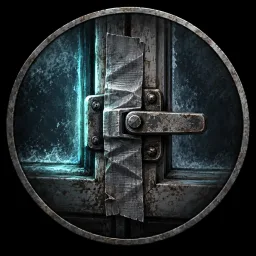 Master of SealingYou sealed even the door gaps before the plume arrived.
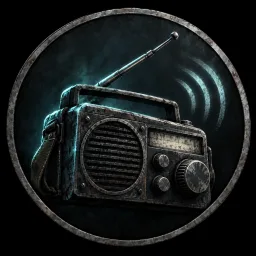 Official Broadcast ReaderInstead of rumors, you turned the radio up loud.
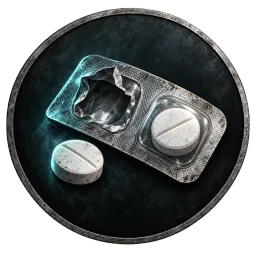 Exactly-One-Tablet TypeDidn't take it early, didn't take two.
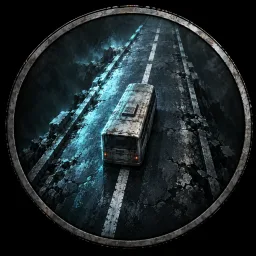 Orderly EvacueeStayed in your lane even with the shoulder wide open.
 The colleague rescuerBrought Jiwoo in from the parking lot.
 Branch ER ChiefKept the team lead going without his heart medicine.
 Clean PassNot a single beep at contamination screening.
 Local GuideLed everyone along the route you'd walked in drills.
 The cool-headed survivorMade it through the day without any big wrong choices.
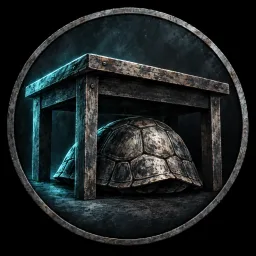 Meeting-Room TurtleNever went outside once. That was the right answer.
 The lucky-break survivorFull of mistakes, but somehow made it through.
Failures (died, or survived but…)
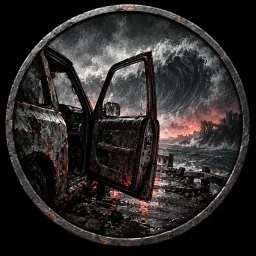 Coastal Road RacerTrying to escape the radiation, you met the sea first.
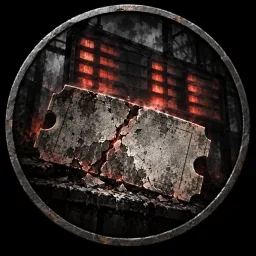 Last-KTX HunterLost a day in the crowd outside Ulsan Station.
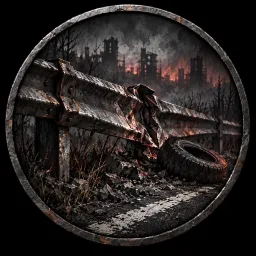 End of the ShoulderThe road meant to be fastest became the slowest.
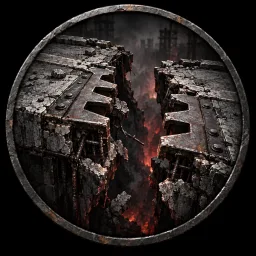 Cracked bridgeMissed the traffic marshal's signals.
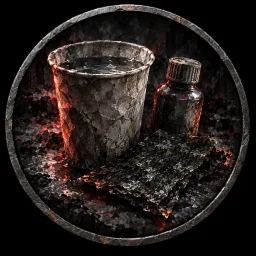 Seaweed-and-Salt BelieverSwallowed rumors instead of medicine.
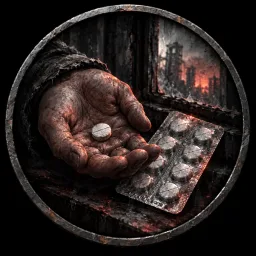 The Wrong PillWithout an order, or ignoring one. When it really mattered, your thyroid was unprotected.
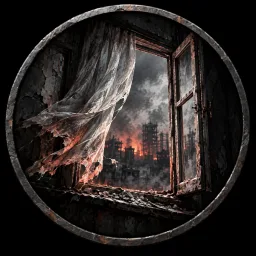 The One Who Left the Window OpenCouldn't stand the stuffiness. Something invisible came in.
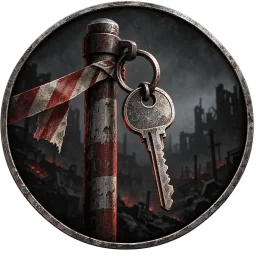 The One Who Went HomeTurned the car toward home inside the restricted zone.
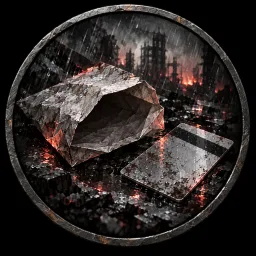 The Medicine Left BehindThe team lead's heart medicine was in the hotel drawer, and you ran through the plume.
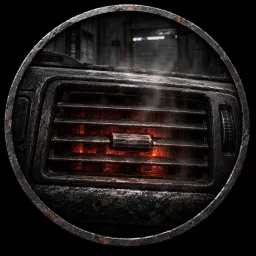 In the warm carTurned on the heater in a closed garage. Or believed the car was safer.
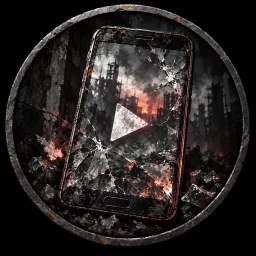 Lured by a False Rumor"It blew up again!" — and you got off the bus.
 The incredibly unlucky oneOf all places, of all shakes — that one.
10 tips to survive the game (and real life)
- Shaking? Get under a table. Don't run outside while the ground is moving; hold on to a table leg.
- Tsunami warning? Get away from the coast and up high. If the sea suddenly pulls back, a tsunami is coming. "Getting out first" along the coast road is the worst choice.
- White alert means life as usual. Keep the news on. Rushing to the train station now leaves you outside when the red alert hits.
- Blue alert means get ready. Medicine, charger, jacket, water, radio. The laptop and the hotel luggage are traps.
- Red alert means get inside a concrete building. A windowless inner room is best. Cars give almost no protection from radiation.
- Close, switch off, cover. Shut windows and fire doors, turn off air conditioning, fans and ventilation, and cover food and water.
- If you were outside, wash and change. Bag your outer clothes and wash hands, face and hair, but no conditioner.
- One tablet, only when told. Taking it early, taking two at once, or using seaweed, salt or iodine antiseptic instead are all wrong.
- Trust official broadcasts only. Following "there's been another explosion" rumors walks you straight into the plume.
- When evacuation is ordered, follow the plan. Switch off, lock up, hang a white towel and take the designated route. No hard shoulder, no driving against traffic, no going home into the restricted zone.
The real-life version, with sources, is in What to do in a nuclear power plant accident.
The Survive series
This game is one episode of the Survive series (살아남기 시리즈), disaster survival simulations built on official safety guidance. It is the opposite of the Seoul nuclear blast episode: there, every second counted in getting underground; here, the right answer is to stay inside, seal up and listen to the broadcasts. When you finish, share your result card and see which of your friends held out best.
FAQ
Is the nuclear accident game free?
Yes. It is a completely free browser game with no payments and no download. It works on phones, tablets and PCs.
How long is one run?
Usually 3 to 5 minutes. The earthquake plays out almost in real time; the three hours to the plume, the night and the evacuation run fast.
Is this based on a real accident at a real plant in Ulsan?
No. Ulsan is a real city, but the plant, the earthquake and the accident are all fictional. No real plant or operator is named, and the game is not a damage forecast or official guidance.
How realistic is it?
Numbers such as dose, shielding and plume arrival time are simplified game assumptions. But every correct action comes from official sources such as Korea's Nuclear Safety and Security Commission, the national disaster safety portal, the City of Ulsan's radiological emergency manual, Korea's earthquake guidelines, the US CDC and the US FDA, and you can check the source on the results screen.
Why do you lose if you run?
When authorities order people to shelter indoors during a nuclear plant accident, staying inside a concrete building exposes you far less than being outdoors or in a car. In the game, too, people who race for the highway end up in a traffic jam as the plume passes over.
What does "Survived, but…" mean?
You didn't die, but your total dose went over the game's threshold (50 mSv, the same number Ulsan uses to decide on evacuation) or your thyroid wasn't protected. It counts as a failure. The 10 and 50 mSv figures are thresholds for deciding protective actions, not thresholds for health damage.
Which languages are available?
Korean, English, Japanese, Chinese (Traditional and Simplified), Vietnamese, French, Thai, Spanish and German. It switches automatically to your browser language.
Can I play on my phone?
Yes. It is designed for a portrait phone screen with screen shake, sound and vibration. Headphones recommended.